curious about how i think?
My work starts with a simple habit.
My default mode is to question the future we're implicitly expecting. Sometimes that becomes a scenario. Sometimes an entire book. Sometimes an article, a conversation — or simply a provocative “What if?”
Here are a few ways to explore my thinking.
– READ –
Books for exploring alternative futures
I've written about scenario planning from several angles — from practical “how-to” handbooks on the process itself to more extensively imagined and fleshed-out futures and even national scenarios. Among them:
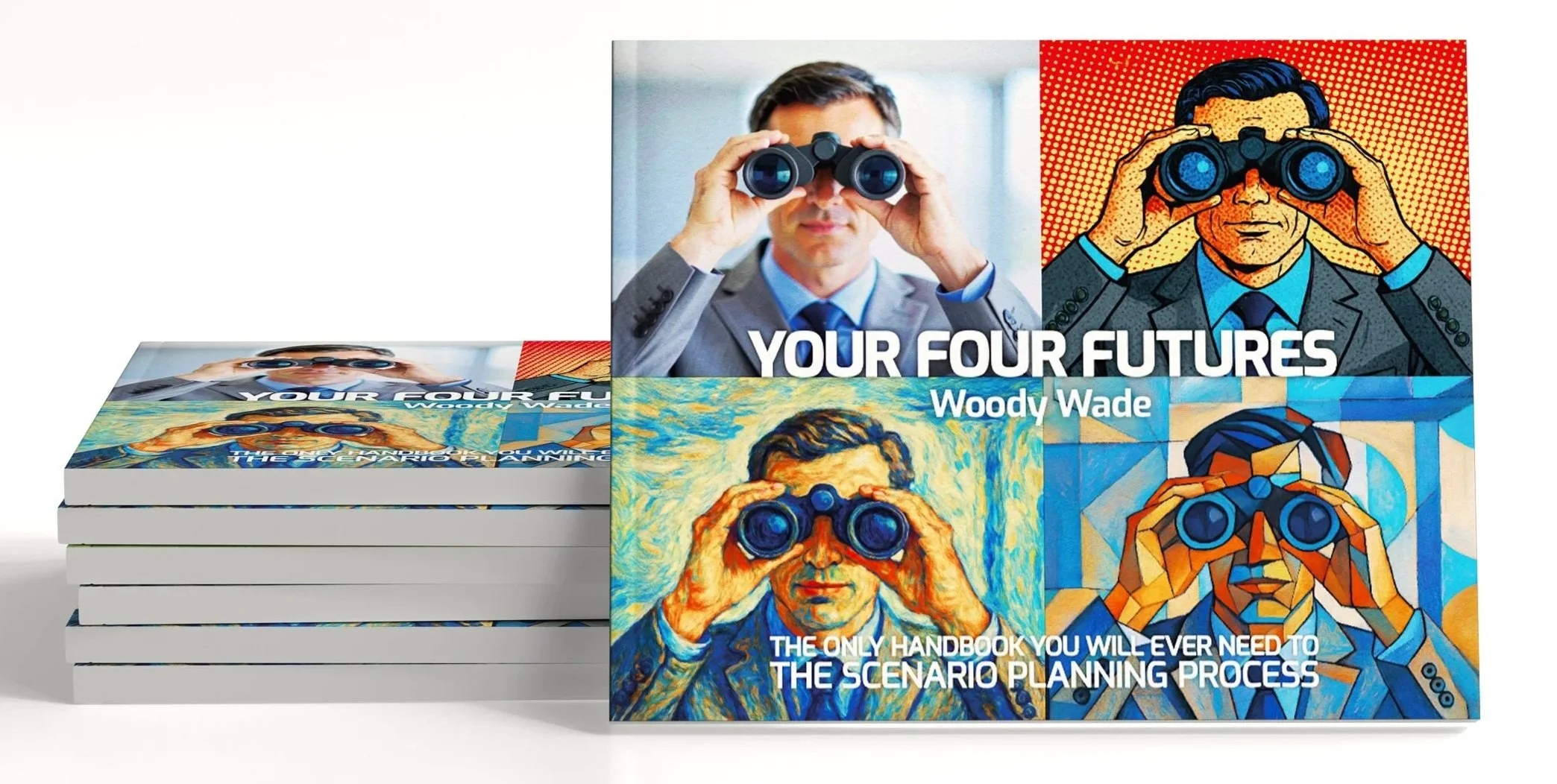
start here
My step-by-step guide to scenario-building, including in-depth case studies plus practical ideas for integrating AI.
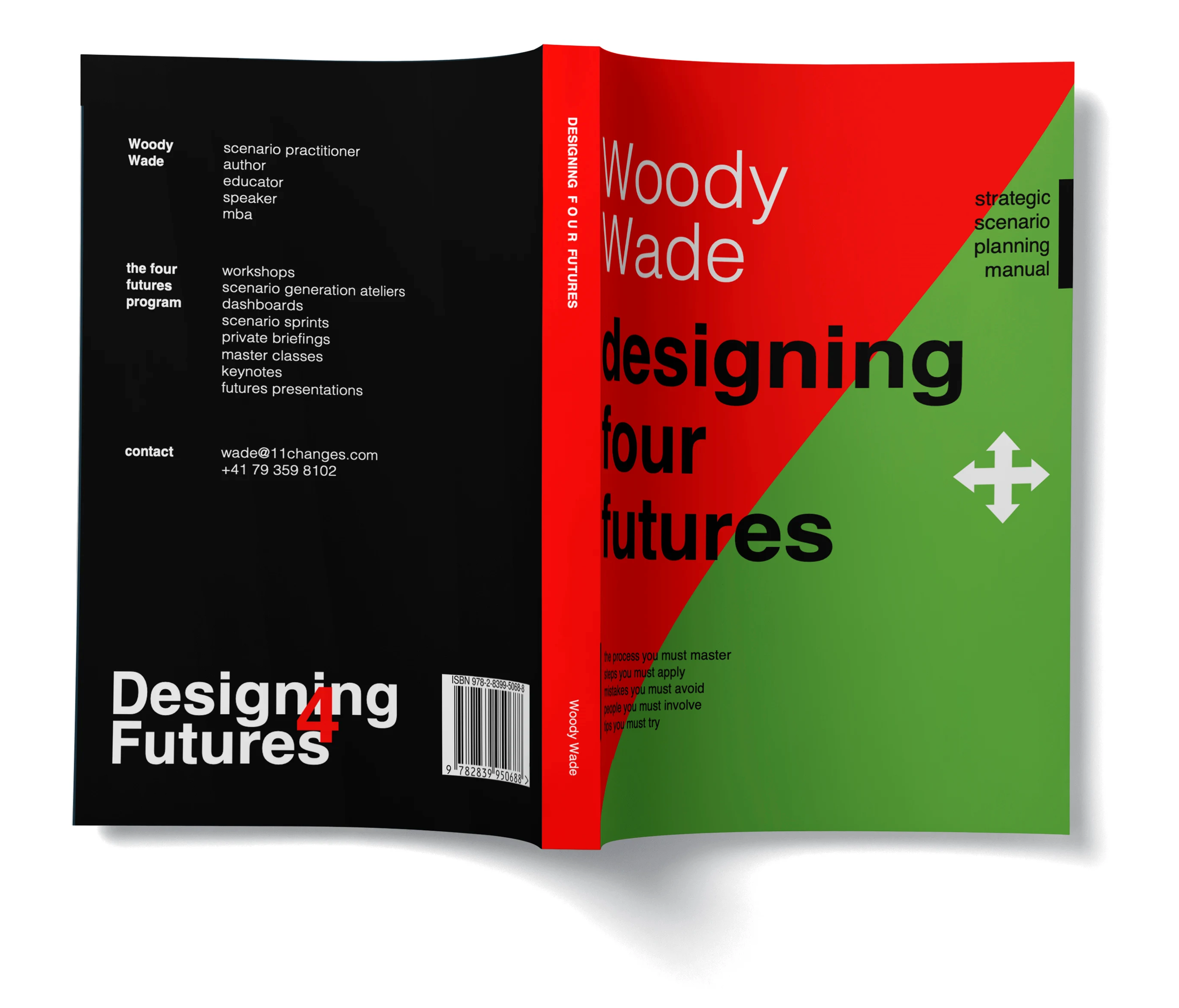
the book you need if you’re actually doing the heavy lifting
A no-frills manual packed with practical advice for getting the most out of every step of the scenario planning process.

where it all began
Published by Wiley in 2012, my first scenario planning book introduced decision-makers around the world to my practical approach to the methodology.
Looking for something else? My other books explore subjects ranging from possible futures for Chile to applying scenario thinking in higher education and in the wealth management business, and even a tongue-in-cheek look at life in the year 2036.
– PROVOKE –
What if...?
What If... Monthly is my LinkedIn newsletter — a place where I allow myself to pose questions about the future without necessarily knowing where the answers might lead.
Some of these thought pieces make use of scenario planning. Others start with an actual development that catches my attention… and then I ask what might happen if we push it a little further.
They're not predictions; they're invitations to think.
Some recent examples:
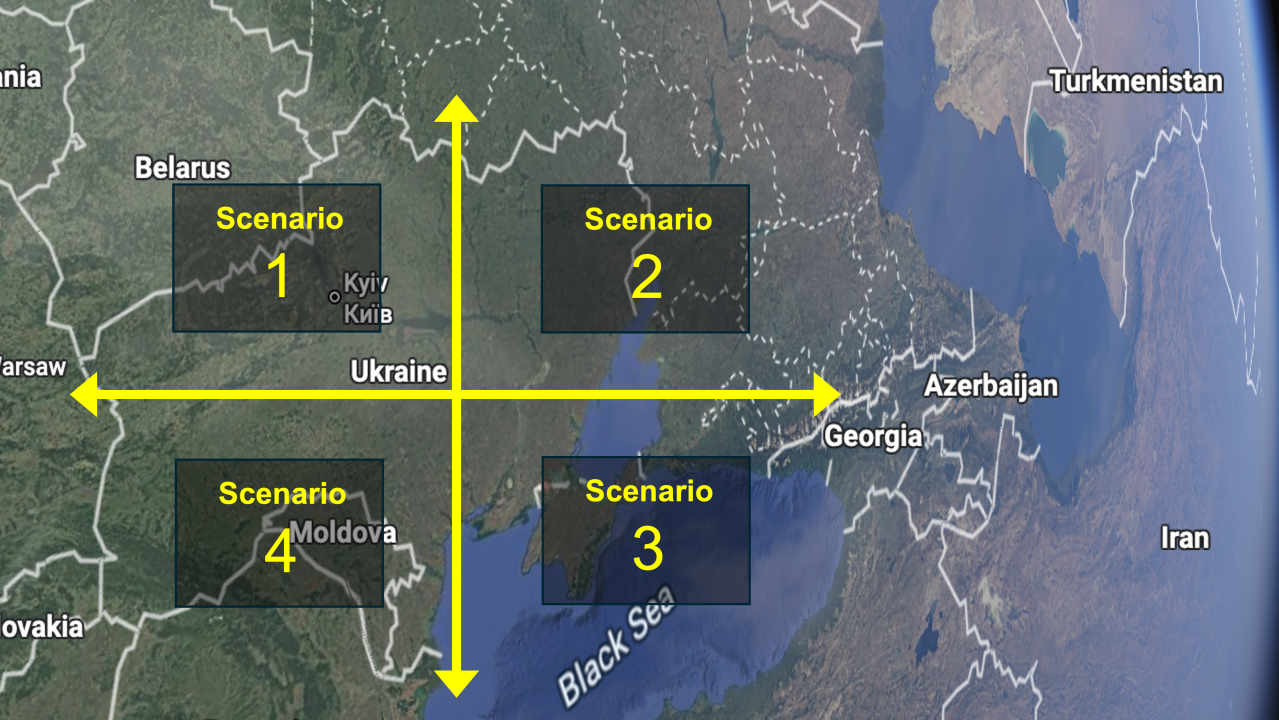
What if Ukraine's next decade unfolds in very different ways?
Alternative landscapes for Ukraine, and a reminder that thinking seriously about the future means imagining more than one.
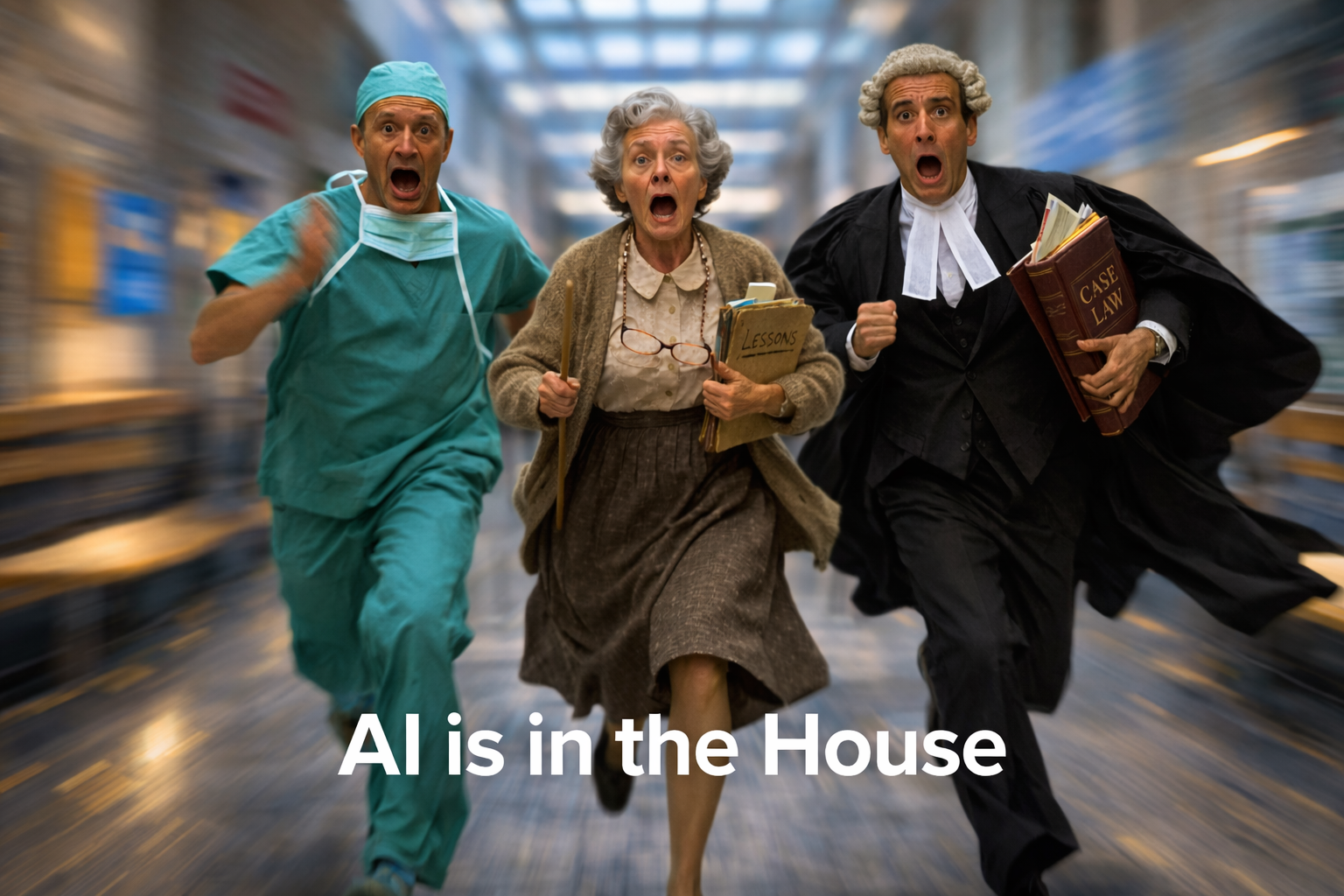
Teachers in 2029. Doctors in 2030. YOU in...?
What happens when all those frightening predictions about AI eliminating entire professions collide with messy realities, like regulation — and human behavior?
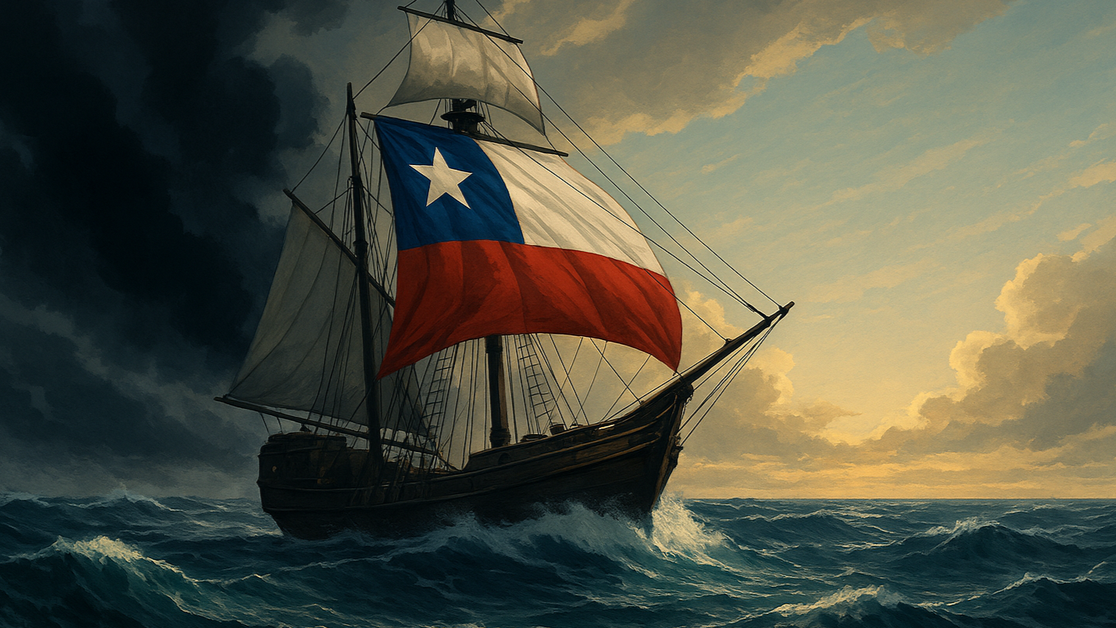
CHILE: Three Years into its ten-year Voyage To the Future
Since imagining alternative futures for the country of Chile back in 2022, what has actually happened there?
– IMAGINE –
A future imagined from the past
In 2020, during the early weeks of the pandemic, I published a fictitious vignette imagining what travel and hospitality might look like three years later, in 2023.
Among the features of this imagined travel economy were mandatory digital health passports, smartphone apps that warned you if you got too close to an unvaccinated person, airlines going bankrupt by the dozens, and business trips — which had all but disappeared — being replaced by online meetings. Lots and lots of online meetings.
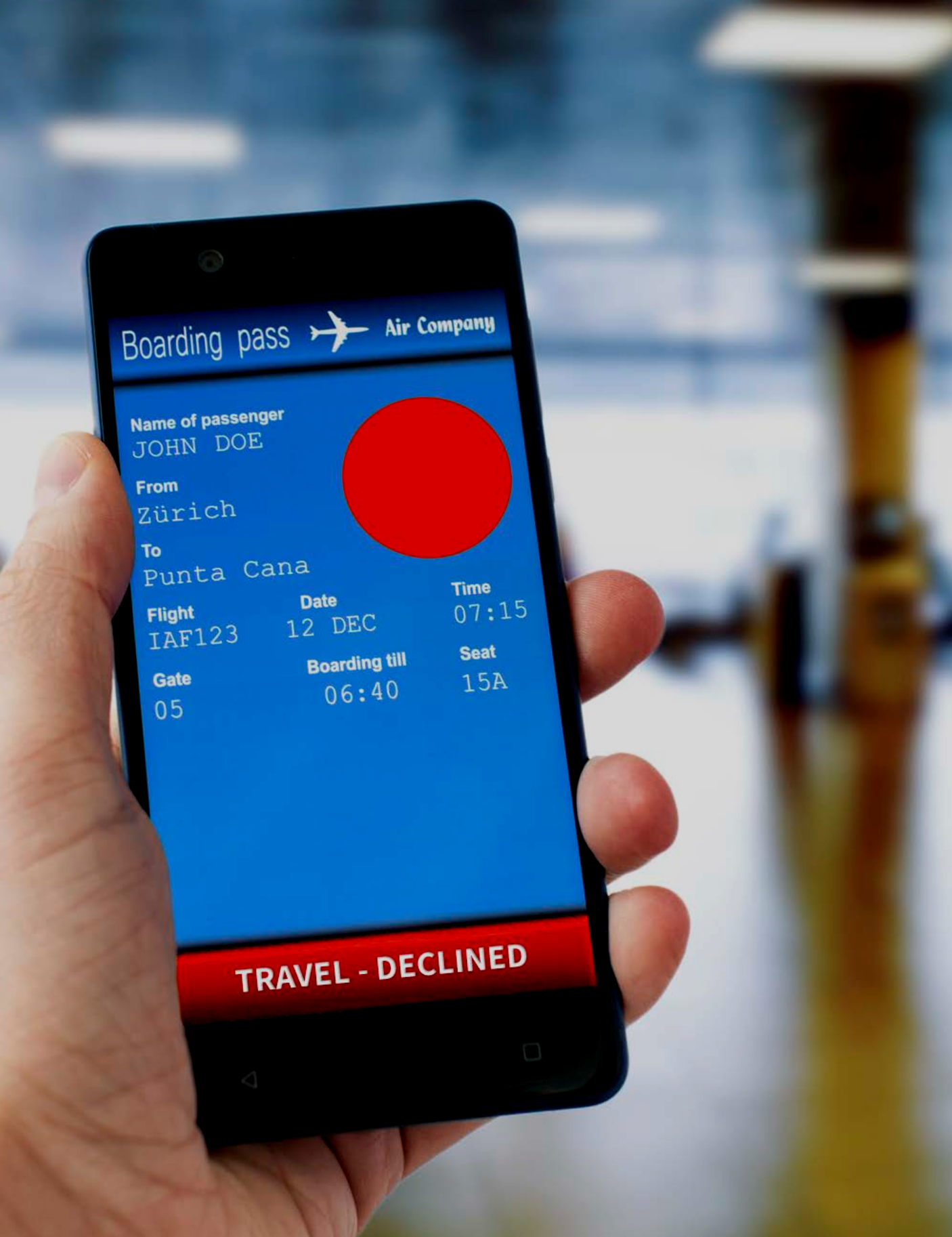
A Post-Covid Scenario the Travel & Hospitality businesses could possibly face
Written during the pandemic in 2020, it wasn’t meant to be a prediction — just a story.
A scary story.
One that I hoped would get people thinking.
I explicitly described the scenario at the time as “not a prediction” but a story intended to make one alternative future tangible enough to think about seriously.
Some of these fictitious possibilities actually materialized, in one form or another. Others didn't.
But that’s not really the interesting part.
Now that we’ve had a chance to see how 2023 actually did turn out, this vignette offers an opportunity to understand better what the benefit of scenario thinking really is: Not getting the future “right” — but thinking about it from productive new angles before it arrives.
– LISTEN –
Provocative questions make interesting conversations.
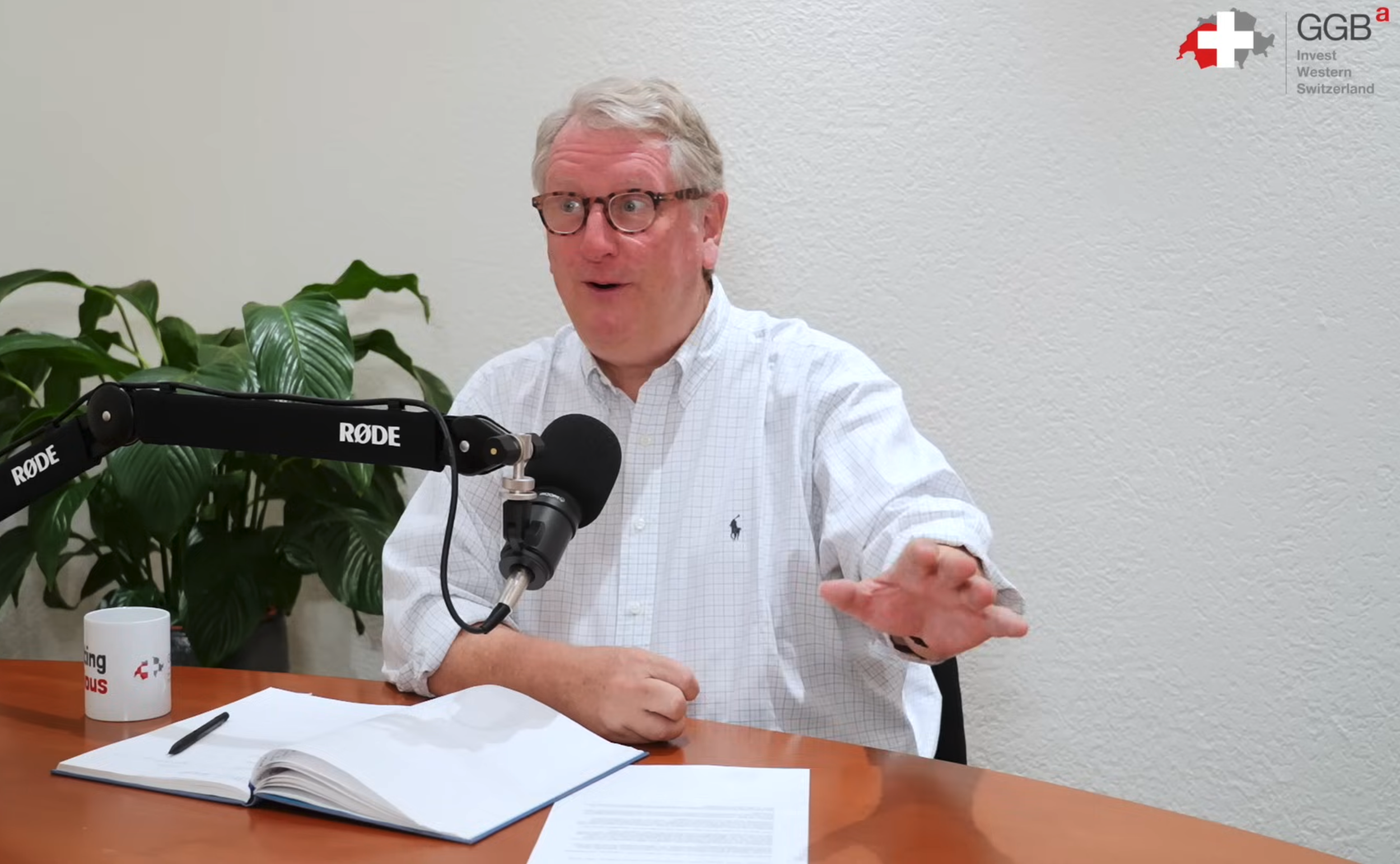
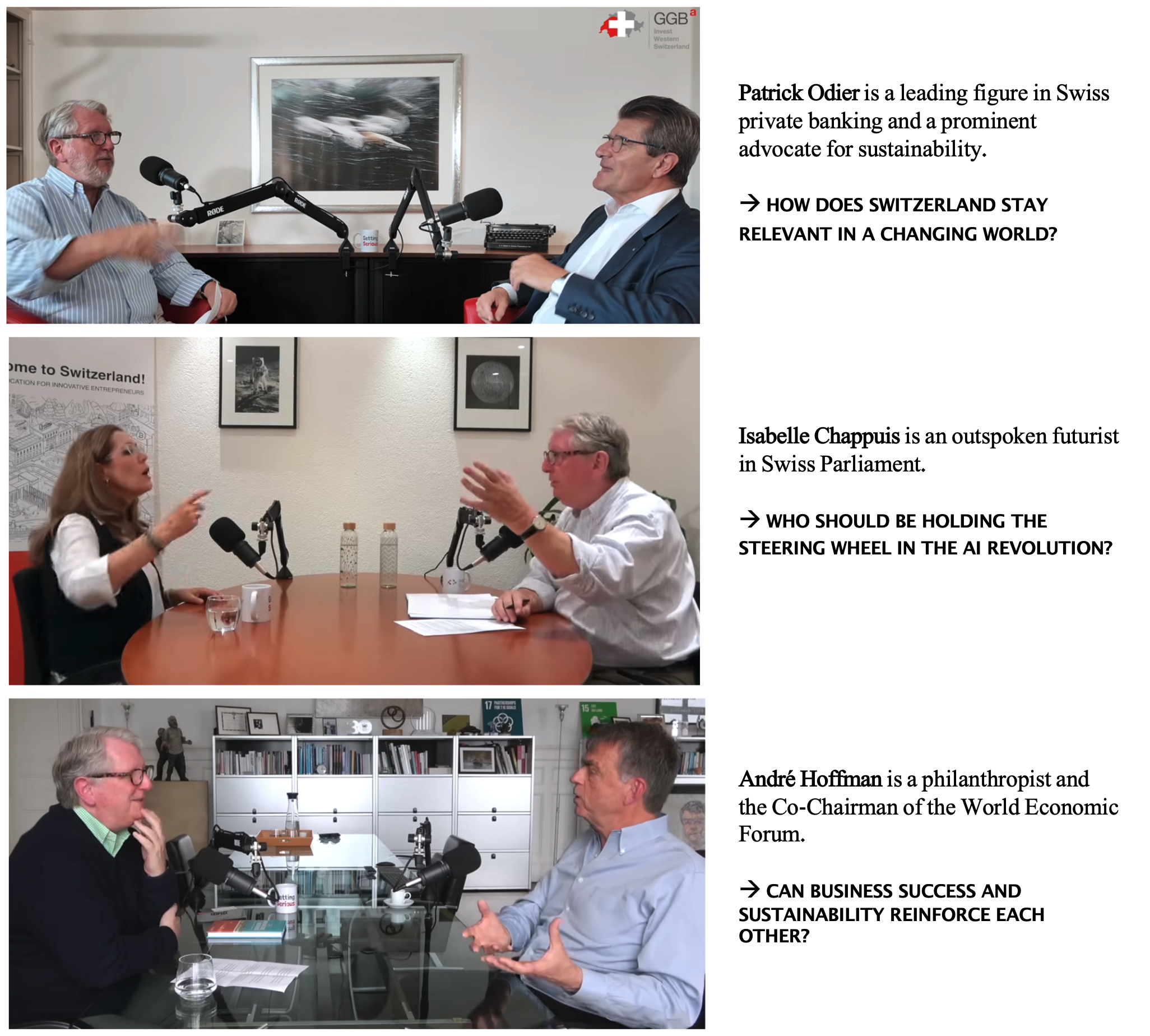
I also host a podcast called Getting Serious, a series of conversations conducted on behalf of Western Switzerland’s investment promotion agency, Greater Geneva Bern area (GGBa). It’s given me the opportunity to talk at length with a number of fascinating entrepreneurs, business leaders, and policy makers here in Switzerland where I live.
Our conversations aren’t specifically about scenario planning — and I don't want to pretend they are. But the subject often revolves around what the future may have in store, and my guest and I explore trends and possibility with energy and optimism.
– TEST YOURSELF –
What kind of future thinker are you?
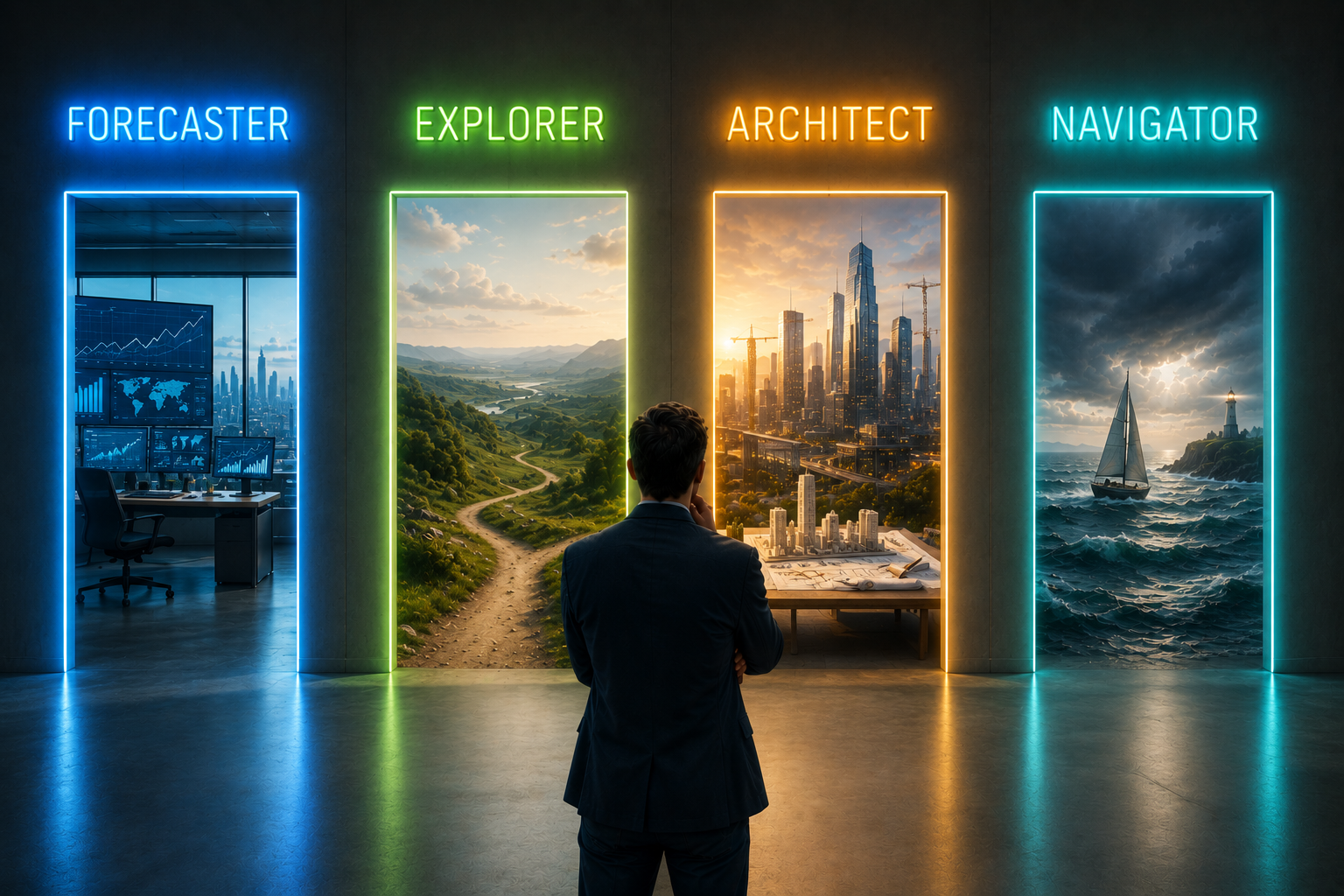
Everybody thinks about the future, but we don’t all come at the subject the same way.
Some of us instinctively look for opportunity. Others worry about what could go wrong. Some people only trust data, and need to see hard, reliable evidence before they can commit to a course of action. And some can't resist imagining something completely unexpected.
I've put together a short — and not entirely serious — quiz to help you discover which of these four archetypes you might be.
So much for what I’ve been thinking about. What about you?
GOT SOMETHING YOU’D LIKE TO LOOK AT DIFFERENTLY ?
Maybe we should talk about it.